
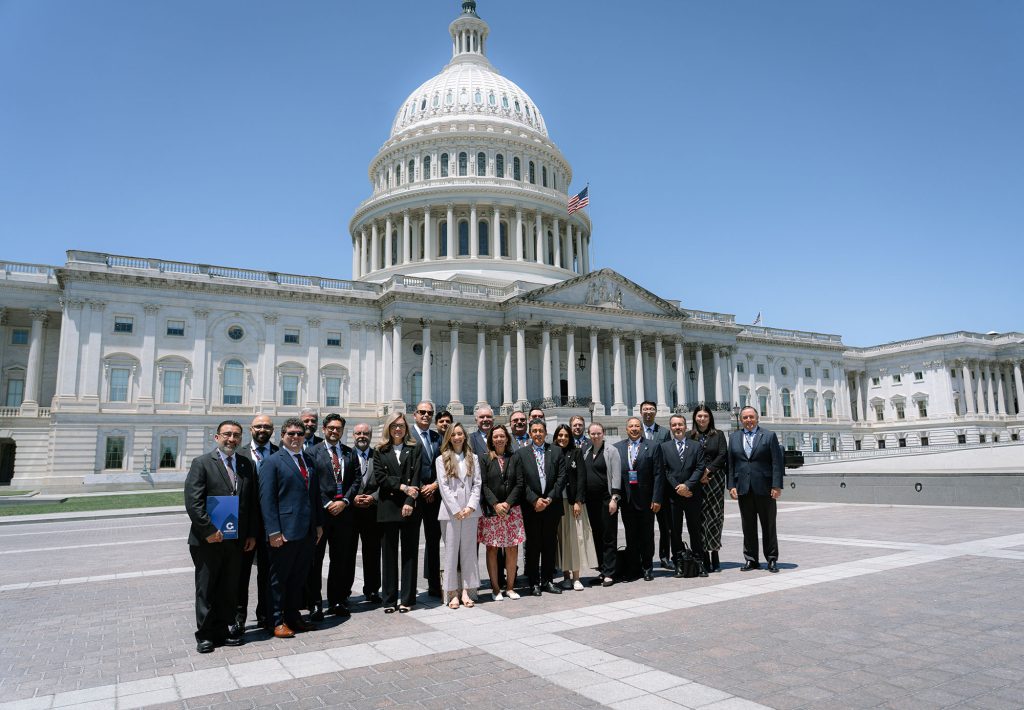
From June 2 to 4, a Guatemalan delegation from the private and public sectors was in Washington with a conviction and a question. The conviction: that Guatemala has the fundamentals to be a strategic partner of the United States at a decisive moment for the Americas. The question: what can Guatemala offer to strengthen the region’s economic security, and how does that collaboration with the United States translate into jobs for Guatemalans, quickly and at scale?
Guatemala Week 2026 was the working space for these questions. We did not start from scratch, nor did we present a new plan. We took the items already part of the bilateral economic agenda—port infrastructure, bilateral trade, investment, the rule of law—and interwove them under a single thread: economic and national security and the repositioning of supply chains toward the Western Hemisphere.
A once-in-a-lifetime moment
The United States is driving a relocation of its critical supply chains, moving them away from geopolitical competitors and closer to reliable partners in the Americas. Decisions on investment, infrastructure, and long-term alliances are being made now, in Washington. Secretary of State Marco Rubio framed it at the outset of his tenure, in January 2025:
“Relocating our critical supply chains to the Western Hemisphere would clear a path for our neighbors’ economic growth and safeguard Americans’ own economic security.”
— Marco Rubio, Secretary of State, January 2025
A year later, that intent became a bilateral commitment. The Bilateral Trade Agreement of January 2026 states, in its Article 5.1:
“The United States and Guatemala intend to strategically align their trade and investment policies to further their shared economic and national security objectives.”
— Article 5.1, United States–Guatemala Bilateral Trade Agreement, January 2026
Guatemala does not arrive at this moment as a recipient of assistance, but as a contributor to the economic security of the United States—a role that demands coordination and the fulfillment of concrete commitments on Guatemala’s part.
What Guatemala has to offer
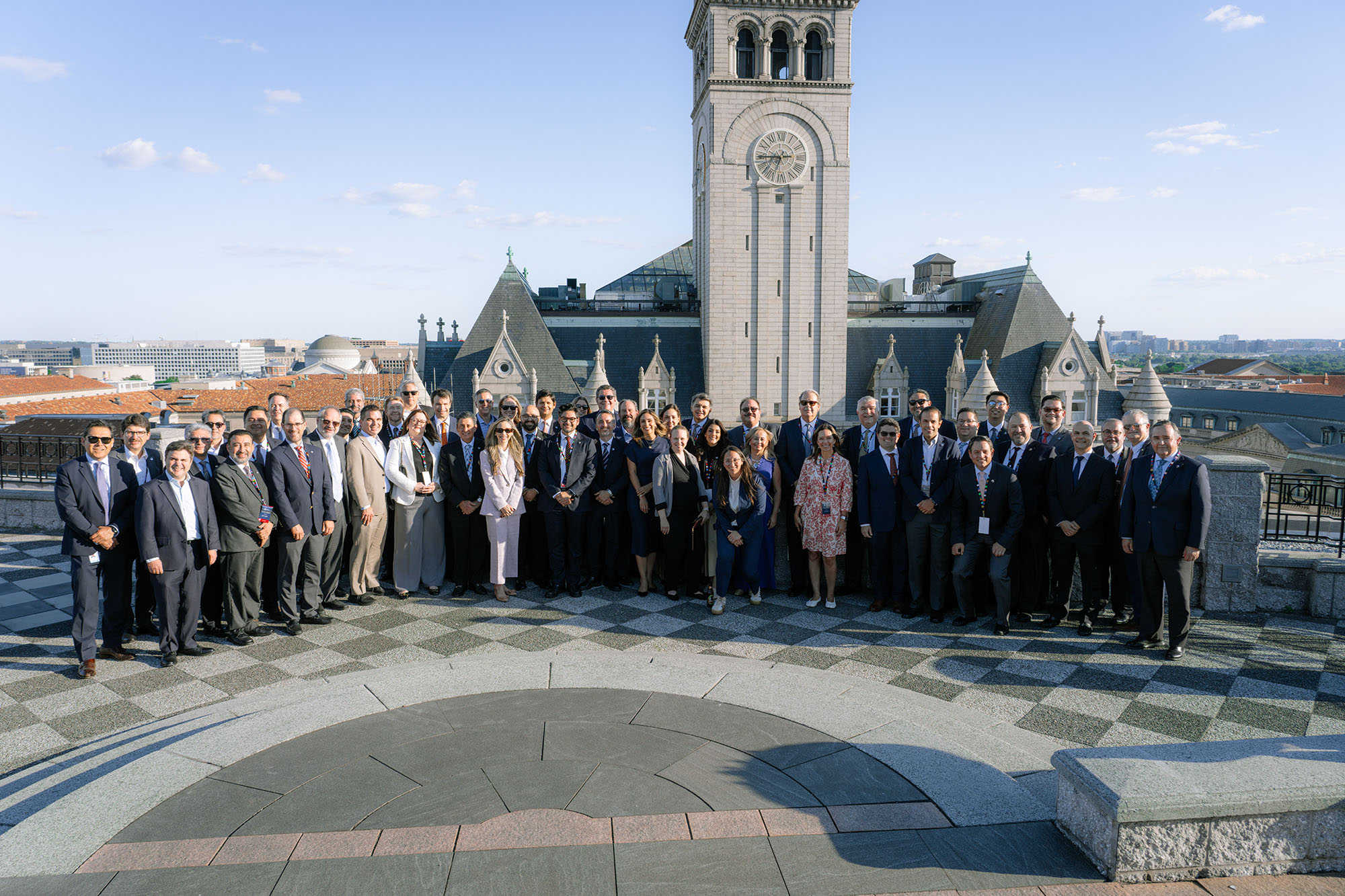
The Guatemalan proposition rests on verifiable fundamentals. Bilateral trade reached USD 15.19 billion in 2025, with a balance favorable to the United States: U.S. exports totaled USD 10.02 billion, placing Guatemala as that country’s 35th-largest export destination, ahead of larger economies in the region.
To this are added macroeconomic fundamentals among the strongest in Latin America: a BB+ (S&P) and Ba1 (Moody’s) rating, both stable and one notch below investment grade; the lowest net public debt in the region (15.7% of GDP); ten consecutive years of current-account surplus; USD 31.4 billion in international reserves; and the most stable currency in Central America. As well, we have preferential access through CAFTA-DR, a predominantly renewable-energy matrix, and we are the only country in Central America with diplomatic recognition of China (Taiwan), which completes the profile of a reliable partner.
The physical axis of this proposition is infrastructure. In this context, Puerto Quetzal, geographically located between the Port of Manzanillo in Mexico and the Panama Canal, is emerging as a strategic logistics hub. Through three agreements with the U.S. Army Corps of Engineers—fully financed by Guatemala—the country has committed more than USD 710 million to modernize Puerto Quetzal, implement six priority highway projects, and develop a multimodal rail connection to Escuintla. This initiative also envisions linking Puerto Santo Tomás de Castilla on the Atlantic coast, with the goal of establishing an interoceanic corridor. This represents a large-scale infrastructure program for Guatemala, developed in partnership with the United States and comparable in scope and strategic importance to landmark projects in global trade, such as the Panama Canal. As a result, Guatemala is strengthening its geographic, geopolitical, and strategic position in relation to its largest trading partner, the United States.
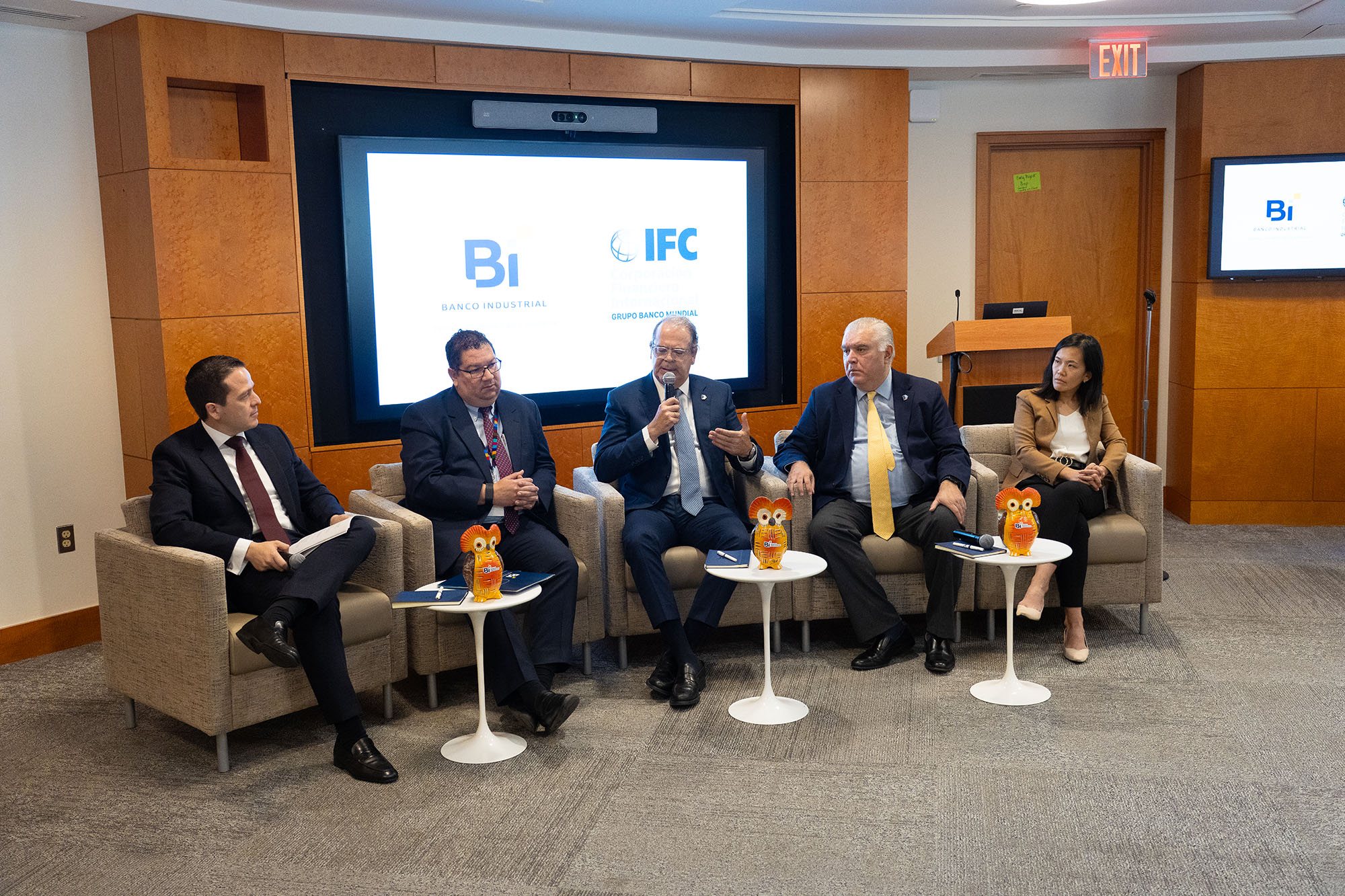
This brings us to the central question: Guatemala has a unique opportunity to modernize its ports, build critical infrastructure, and attract private capital at scale. More than an investment figure, this represents a pathway to creating formal employment opportunities for Guatemalans. For this reason, the closing event of Guatemala Week 2026, organized in partnership with the IFC and Banco Industrial, was titled “Mobilizing Private Capital at Scale: Delivering Jobs and Impact in Guatemala.” Economic collaboration with the United States is not an end in itself; it is the fastest and most effective path to generating jobs on a large scale. As our platform holds, there is no better ally for the Guatemalan private sector than the United States, and no better long-term partner for the United States than Guatemala’s private sector.
Why a permanent presence
Guatemala possesses the fundamental conditions to attract strategic investment and projects from the United States. However, without a consistent, coordinated, and compelling presence in Washington, that investment will continue to flow toward countries that have successfully built and sustained such a presence. Investment and policy decisions are not made in the abstract; they are driven by trust, credibility, and proven results developed through long-term relationships.
The U.S.–Guatemala Business Council was established to provide that presence: a permanent platform for Guatemala’s private sector in the United States. It is a bipartisan, evidence-based platform anchored in four core principles: strengthening the rule of law to provide certainty for citizens and investors alike; protecting private property rights; fighting corruption as an indispensable condition for investment; and developing strategic infrastructure as a catalyst for economic growth.
Three days, one interrelated agenda
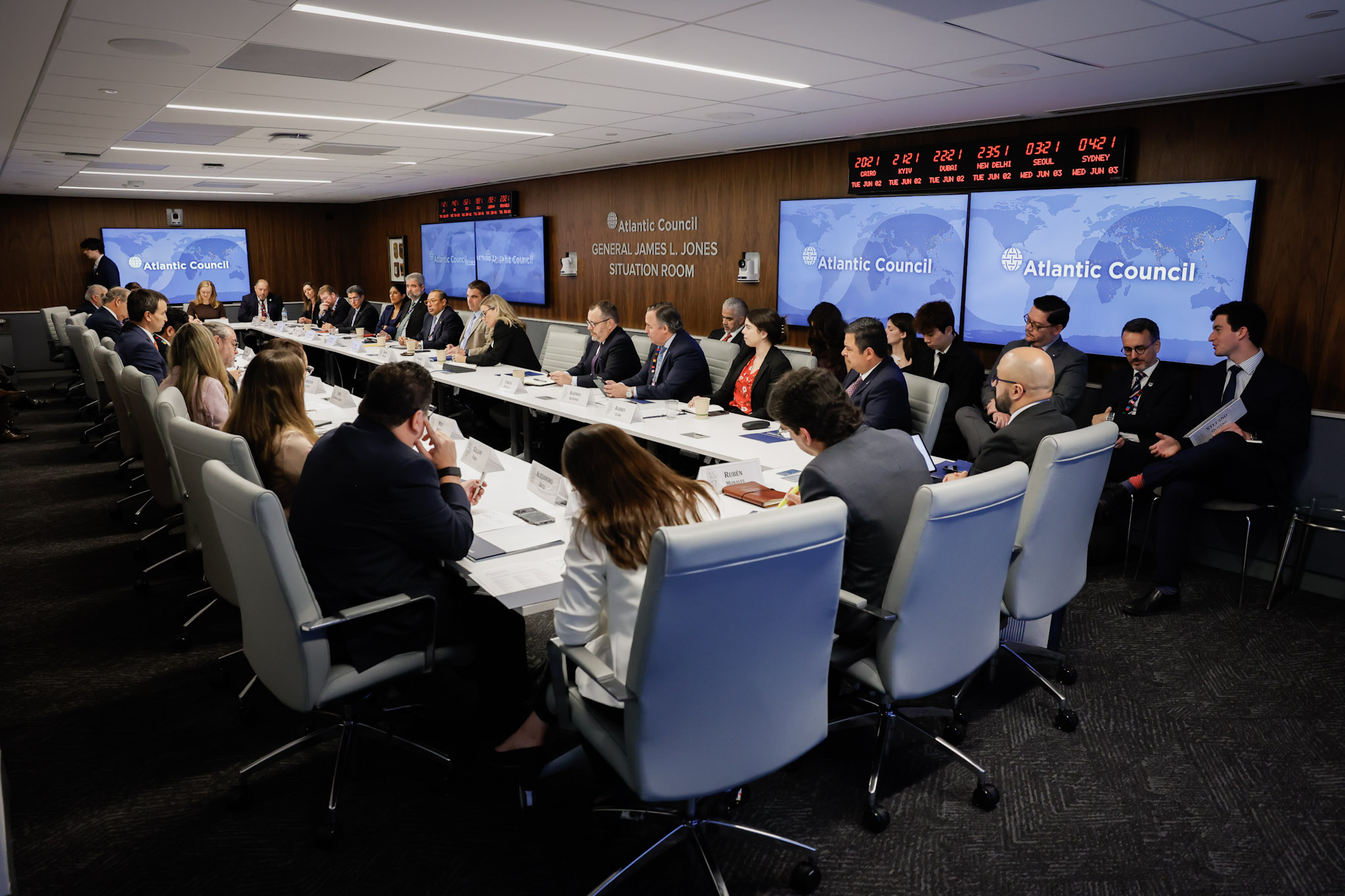
Guatemala Week consisted of fourteen events held over three days, each connected by a common thread and aligned around a shared strategic agenda. Bipartisan briefings with Congressional leadership, working meetings with federal agencies implementing programs in Guatemala, roundtable discussions with U.S. and multinational companies, the presentation of the structuring of landmark lending facilities for small businesses in partnership with Banco Industrial and the IFC, discussions on regional priorities with leading think tanks, and presentations on priority sectors for investment attraction by Guatemala’s Ministry of Economy and private investment promotion agencies such as Invest Guatemala.
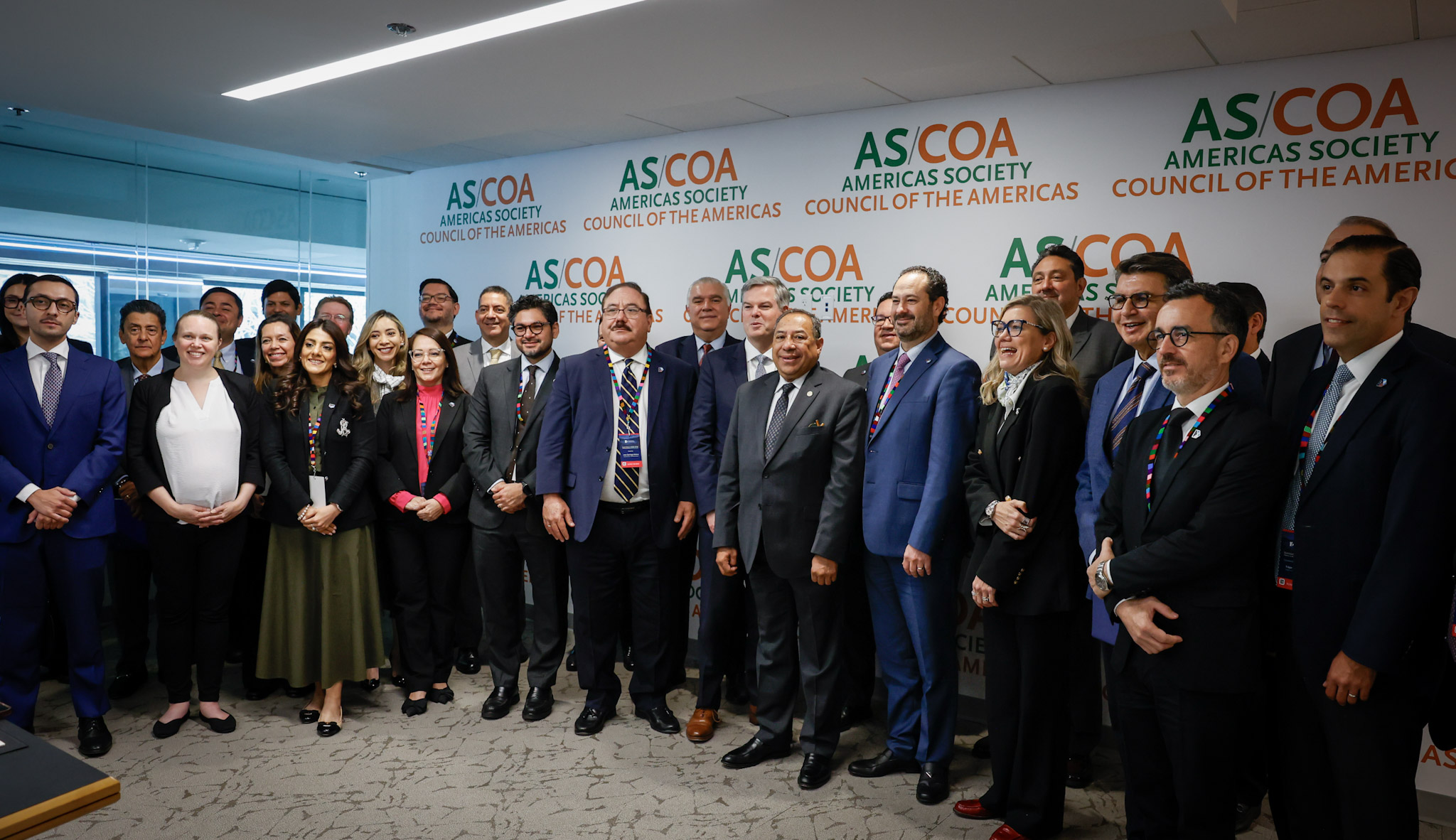
The strength of Guatemala Week lay not only in its agenda, but also in who took part in it. On the Guatemalan side, the delegation brought together the leadership of the organized private sector—the President of CACIF, the presidents of the business chambers, and FUNDESA—alongside the institutions of the State that steer the bilateral relationship: the Embassy of Guatemala in Washington, the Ministry of Foreign Affairs, and the Ministry of Economy. The fact that the private sector and the government appear together is a powerful signal: Guatemala’s value proposition is built on both state leadership and market-driven initiative. On the U.S. side, participation included federal agencies, multinational corporations with operations across the region, and senior executives evaluating Guatemala as an investment destination. That convening power is the product. Guatemala Week serves as a platform for alignment and engagement, bringing together key public- and private-sector stakeholders from both countries in a single forum. Its purpose is to strengthen relationships, build confidence, and enhance the collective capacity to advance the bilateral economic agenda.
From agenda to action
Guatemala Week was not designed as a standalone event, but as a working agenda. Every conversation, request, and commitment generated during the three days is being consolidated into an operational report that structures follow-up efforts around three strategic pillars. The first pillar is critical infrastructure: advancing the agreements with the U.S. Army Corps of Engineers and supporting the modernization of Guatemala’s port ecosystem as the foundation of an interoceanic corridor. The second is supply chains: positioning Guatemala within the broader shift of production and investment toward the Western Hemisphere as a contribution to the economic security of the United States. The third is the bilateral trade agenda: promoting the effective implementation of existing agreements and greater alignment between the trade and investment policies of both countries.
The role of the U.S.–Guatemala Business Council is not to execute these pillars directly, but to coordinate, align, and sustain the agenda. Its mission is to provide a consistent framework through which multiple stakeholders—public and private, from both countries—can advance a shared bilateral economic agenda. Follow-up does not rest on an annual event; rather, it is driven by a permanent presence that remains active throughout the year, maintaining coordination with federal agencies, Congress, and the private sector between each edition of Guatemala Week. The success of this effort will depend on continued collaboration and tangible technical progress in areas such as legal certainty and strategic infrastructure, both of which are essential to unlocking greater investment. In this way, the commitments made in Washington become not an end point, but the first step in building a long-term strategic partnership between Guatemala and the United States.
A version of this article was originally published in CACIF’s Valija Diplomática (Diplomatic Brief), May–June 2026 edition. View original publication →